
Texting has turned full sentences into snack sized bites and right in the middle of that chaos sits one tiny question. hbu meaning. You’ve seen it pop up in texts Snapchat replies and Instagram DMs usually right after someone says I’m good. Simple enough right? Not always. Depending on who you’re talking to, hbu can feel friendly lazy polite or slightly rude. Awkward. This guide breaks down what hbu actually means how it’s used in texting, and when you should absolutely spell it out instead. Consider this your survival manual for modern conversations, minus the confusion the overthinking, and the accidental tone disasters that happen daily.
What Does HBU Mean?
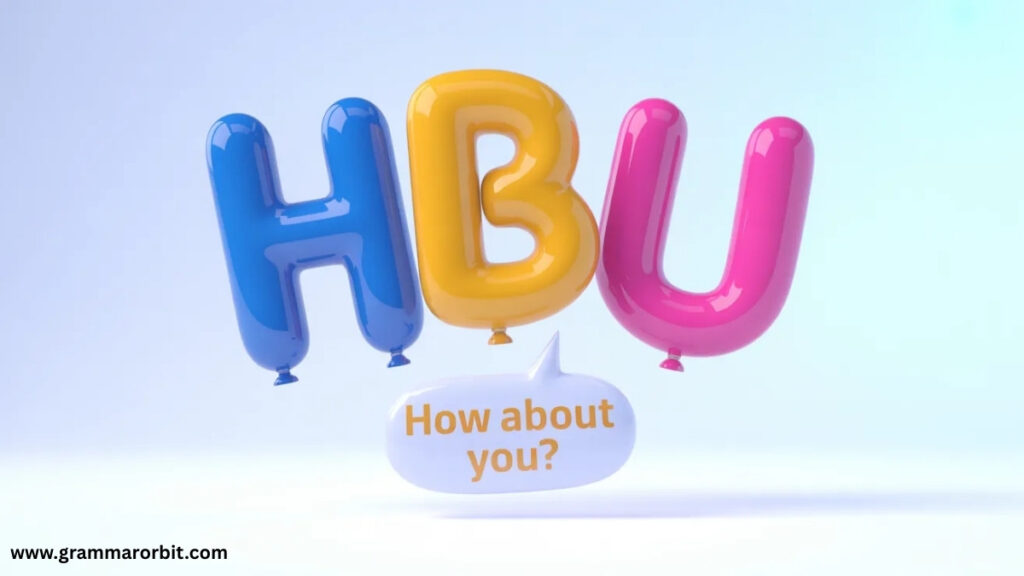
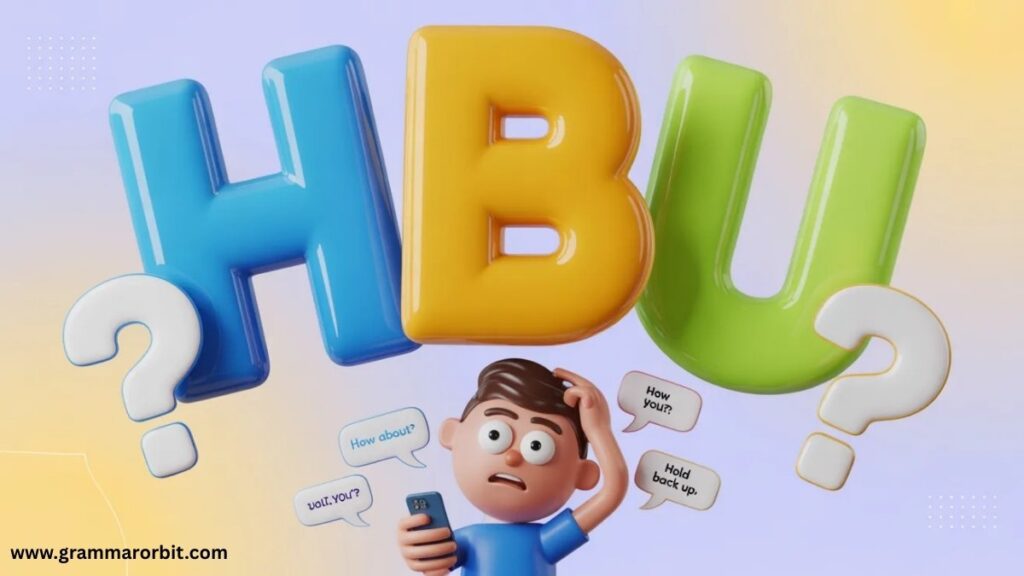
The abbreviation HBU stands for “how about you?” It’s a shorthand way to turn the conversation back to the person you’re speaking with, often after you’ve answered a question about yourself. For example, if someone asks how your day went, instead of typing out a full response like “I had a good day. How about you?” you can simply reply:
“Good, hbu?”
This small abbreviation keeps the conversation flowing without slowing it down.
Key Details About HBU in Texting
- Type of language: Informal and casual; primarily used in digital communication such as texting, social media, and instant messaging.
- Purpose: To show interest in the other person’s response, keeping the conversation reciprocal.
- Tone flexibility: The tone depends on punctuation and context—“hbu?” feels friendly, “hbu.” can feel flat or indifferent, and “hbu!!” adds excitement.
- Common platforms: SMS, WhatsApp, Instagram DMs, Snapchat, Discord, and online chatrooms.
- Variations: Some people use WBU (meaning “what about you?”) interchangeably, though HBU is generally more widely recognized.
HBU full form
- HBU = How About You
People use it to keep conversations moving without repeating full sentences.
Example
“I’m doing good today, hbu?”
That sentence means:
“I’m doing good today. How about you?”
This explains why hbu abbreviation meaning feels natural in quick conversations.
TYSM Meaning in 2026: What It Means in Texting
HBU Meaning in Texting and Chat
Many people search for what does hbu mean in texting because meaning alone doesn’t explain how it feels in real conversations.
HBU text message meaning
In text messages, hbu usually shows:
- Interest in the other person
- Casual engagement
- A relaxed, informal tone
It commonly appears in:
- SMS texts
- WhatsApp chats
- Instagram DMs
- Snapchat messages
- Online chats and comments
Meaning of hbu in chat
In live chat, hbu works like a conversational mirror. You answer a question, then reflect it back.
Think of it as saying, “Now it’s your turn.”
The Rise of HBU in Modern Texting Culture
Abbreviations like hbu didn’t appear randomly. They grew out of necessity.
Why “how about you” became “hbu”
- Early phones had small keyboards
- Text messages had character limits
- Fast replies became the norm
- Younger users preferred speed and simplicity
As a result, texting abbreviations became part of everyday language. Alongside LOL, BRB, and IDK, hbu internet slang earned its place.
Even today, it remains common across age groups, especially in casual communication.
HBU Meaning on Snapchat and Social Media
Tone changes depending on the platform.
HBU meaning on Snapchat
On Snapchat, hbu usually feels:
- Friendly
- Low-pressure
- Casual
People use it to reply to snaps, stories, or quick messages.
Example
“Looks like a fun day. hbu?”
Snapchat slang encourages short replies, so hbu slang meaning fits naturally there.
HBU in social media messaging
On platforms like Instagram and other social apps:
- Short replies are expected
- Casual tone is common
- Abbreviations feel normal
Still, context matters. A one-word “hbu” after a serious message can come across as careless.
Occasion or Ocassion: What’s the Correct Spelling?
When HBU Works Well
Used in the right setting, hbu keeps conversations flowing smoothly.
Good situations for using hbu
- Texting friends
- Casual conversations
- Social media chats
- Dating apps (early stages)
- Group chats
- Informal coworker conversations
Example
“I’m just relaxing tonight, hbu?”
In these settings, hbu casual meaning sounds friendly, not lazy.
When HBU Feels Too Informal or Rude
Many people ask: is hbu rude?
The answer depends on context.
Why hbu can feel negative
- It can sound rushed
- It may feel low-effort
- It lacks warmth in serious conversations
- It can seem dismissive if used alone
Example
“Fine. hbu.”
This reply feels flat and disengaged.
Situations where hbu may not fit
- Professional emails
- Job-related messages
- Customer service conversations
- Serious discussions
- First-time introductions
In these moments, casual vs formal language makes a big difference.
Polite and Professional Alternatives to HBU
If you’re wondering can I use hbu at work, the safer answer is usually no.
HBU professional alternative options
Use these instead:
- How about yourself?
- And how are you?
- What about you?
- I’d be interested to hear your thoughts
- How are things on your end?
These phrases show effort and respect.
Professional texting etiquette
Longer phrases signal care. Care builds trust.
Tone comparison table
| Phrase | Tone | Best Use |
|---|---|---|
| hbu | Casual | Friends, informal chats |
| How about yourself? | Polite | Work messages |
| And how are you? | Neutral | Emails |
| What’s your perspective? | Engaged | Discussions |
Neutral Everyday Alternatives to HBU
Not every conversation is casual or professional. Many fall in between.
Safe everyday alternatives
- What about you?
- How about you?
- And you?
- What’s your take?
These options work in most situations without sounding stiff or careless.
HBU vs what about you
- HBU feels faster and more informal
- What about you feels balanced and clear
When unsure, spelling it out avoids misunderstandings.
Casual and Friendly Alternatives
In relaxed settings, variety keeps conversations lively.
Informal language examples
- You?
- What about you?
- How’s it going on your end?
- What’s up with you?
HBU vs WBU
- HBU means how about you
- WBU means what about you
Both are common forms of hbu acronym texting, though HBU appears more often.
Choosing the Right Phrase Based on Context
Words carry different weight depending on where they’re used.
Quick decision guide
- Texting a friend: hbu works
- Messaging a coworker: spell it out
- Emailing a manager: avoid abbreviations
- Dating app chat: hbu is fine early on
- Social media comments: casual language works
Understanding tone in digital communication helps prevent awkward moments.
Real World Conversation Examples
Casual text
“I just got home from work, hbu?”
Work message
“I’ve completed the task. How about yourself any updates?”
Social media message
“Loved your post. How’s your week going?”
Improved comparison
| Weak Reply | Better Reply |
|---|---|
| Fine. hbu | I’m doing well today. How about you? |
Small changes improve warmth and clarity.
Nuances of Tone, Timing, and Subtext
Online messages don’t include facial expressions or voice. Small details matter.
Tone shifts
- “hbu?” feels open
- “hbu.” feels cold
- “hbu!” feels upbeat
Timing effects
A fast reply feels engaged. A delayed reply paired with “hbu” can feel disinterested.
That’s online conversation tone at work.
Why Language Variety Matters
Repeating the same phrase again and again drains energy from conversation.
Why variety helps
- Shows genuine interest
- Sounds more human
- Keeps conversations engaging
- Improves relationships
Using different internet slang terms and full phrases creates balance.
HY Meaning: What It Stands For How It’s Used
Tips for Using HBU Effectively
If you choose to use it, use it well.
Best practices
- Always answer first
- Add emotion or context
- Match the other person’s tone
- Avoid one-word replies
- Don’t overuse abbreviations
Strong example
“I’m really enjoying the weekend so far hbu any plans?”
Common Mistakes to Avoid
Frequent errors
- Using hbu in professional emails
- Replying with only “hbu”
- Ignoring tone and context
- Assuming everyone reads it the same way
These mistakes can damage workplace communication without you realizing it.
Reference Cambridge Dictionary Definitions
Here’s a trusted source for clear word meanings:
FAQs
What does hbu mean in text messages?
In text messages, hbu means “how about you?” It’s a quick way to return a question after you’ve answered one. People mainly use it in casual texting to keep the conversation going without typing a full sentence.
What does hbu mean on Snapchat?
On Snapchat, hbu carries a relaxed and friendly tone. It’s commonly used when replying to snaps or stories, especially during light, everyday chats. In Snapchat slang, short replies are normal, so hbu rarely feels out of place there.
Is hbu polite or rude?
It depends on context. With friends or in casual conversations, hbu is polite enough. In serious or professional conversations, though, it can sound rushed or careless. Tone, timing, and who you’re talking to matter more than the abbreviation itself.
Do people still use hbu in 2026?
Yes, absolutely. Even in 2026, hbu remains common in texting, social media messaging, and casual online conversations. While new slang comes and goes, this one has stayed because it’s simple and useful.
What should I say instead of hbu?
If you want a more natural or polished option, try:
- How about you?
- What about you?
- And you?
- How are things on your end?
These alternatives work better when tone and clarity matter.
Conclusion
At the end of the day, hbu is just a tiny shortcut with big social power. Used right, it keeps conversations flowing like good coffee on a Monday morning. Used wrong, it lands like a flat tire in a formal meeting. Context is the boss here. Friends, chats, and social media? Go for it. Work emails, serious talks, and professional messages? Spell it out and save yourself the awkward energy. Language isn’t just about words it’s about tone, timing, and intention. Choose wisely, stay human, and remember: sometimes the smallest phrases say the loudest things.

JHON AJS is an experienced blogger and the creative voice behind the website grammarorbit.com, namely Grammar Orbit. With a keen eye for language and a passion for wordplay, he creates engaging grammar insights, word meanings, and clever content that make learning English enjoyable and interesting for readers.